
We are the accreditation organisation of choice for healthcare institutions in resource-limited and challenging settings. In Georgia, a country that had never had any form of healthcare facility accreditation, PHIG and ASF built the case, ran the first pilots and opened the door to international accreditation.
What ASF/PHIG accredits


Strengthening healthcare standards in Georgia
ASF and PHIG jointly started the “Accreditation Georgia” initiative in collaboration with David Tvildiani Medical University. The initiative brought together academia, local professional organisations and global accreditation bodies to promote healthcare accreditation in Georgia.
From 2021 to 2022, more than 50 healthcare facilities voluntarily signed agreements with ASF to undergo pilot accreditation under an adapted Georgian standard, and ASF accredited four healthcare institutions. The pilot showed hospitals and other stakeholders the benefits, advantages and sustainability of accreditation.


From advocacy to a national requirement
Since 2014, PHIG has championed independent international accreditation of healthcare facilities in Georgia. After sustained advocacy through social media campaigns, academic contributions, discussions with healthcare providers and professional associations, and dialogue with the Ministry of Internally Displaced Persons from the Occupied Territories, Health, Labour and Social Affairs of Georgia, the effort bore fruit in 2022: the Minister of Health issued a decree mandating independent international accreditation for state-funded hospitals.

Official representative of Accreditation Canada

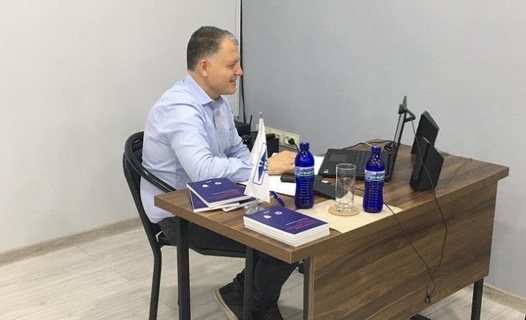
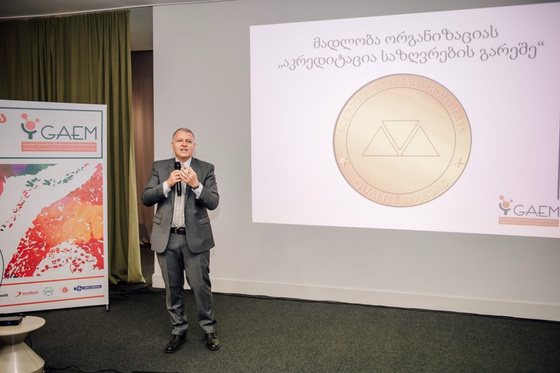
The ASF/PHIG collaboration paved the way for PHIG to establish an official partnership with Accreditation Canada, the world’s largest healthcare accreditation body, in January 2023. Since then PHIG has been the official representative of Accreditation Canada in Georgia. Read Accreditation Canada’s announcement.
Through this partnership, the following healthcare institutions started international accreditation in Georgia:
- ინოვაციური მედიცინის საუნივერსიტეტო კლინიკა
- პინეო სამედიცინო ეკოსისტემა
- კონსილიუმ მედულა
- ბოხუას სახელობის კარდიოვასკულარული ცენტრი
- თბილისის ცენტრალური საავადმყოფო
- ჟორდანიას კლინიკა
- ინოვა ინვიტრო / Innova Invitro
- კლინიკა ინოვა
- კლინიკა ალიანსი
- ჯანმრთელობის ეროვნული ორგანიზაცია
- ენ ქირონ +
- სოლომედი
- წმ. მიქაელის ჰოსპიტალი
- ვივამედი
- მალხაზ კაციაშვილის მრავალპროფილური გადაუდებელი დახმარების ცენტრი
- ემ-ემ-ტე ჰოსპიტალი – უროლოგიური ჰაბი
- ქუთაისის საეკლესიო საავადმყოფო, წმინდა დავით აღმაშენებლის სახელობის ქსენონი
- საოჯახო მედიცინის რეგიონალური ცენტრი
- საქართველოს საპატრიარქოს წმიდა იოაკიმეს და ანას სახელობის სამედიცინო ცენტრი
- ჰერა 2011
- ჯო ენის საუნივერსიტეტო ჰოსპიტალი
- მედცენტრი
- მედცენტრი (ახალი კლინიკა)
Next: the healthcare workforce
The next step is to raise the quality of the healthcare workforce and make competency-based Continuing Medical Education (CME) credits easier to obtain. As a pilot we have supported more than 1,000 Georgian healthcare professionals with CME credit certificates. With Accreditation Canada in Georgia we plan to offer about 1,000 competency-based CME credits a year, and we continue to advocate for government recognition of competency-based CME. See Sheni Academy.
Why accreditation matters in Georgia
In a system where most providers are private and patients pay a large share of costs directly, independent external evaluation gives patients, purchasers and investors a reliable signal of quality and safety.
Licensing, certification and accreditation — what is the difference?
| What it checks | Who does it | Result | |
|---|---|---|---|
| Licensing | Minimum legal conditions to operate | The state | Permission to operate |
| Certification (e.g. ISO 9001) | Conformity of a management system to a standard | A certification body | Certificate of conformity |
| Accreditation (e.g. ASF, Accreditation Canada) | Quality and safety of care against health-specific standards, through peer assessment | An independent accreditation body | Accreditation status for a fixed period, with continuous improvement |
| Laboratory accreditation (ISO 15189) | Technical competence of a medical laboratory | National accreditation body (in Georgia, the Georgian Accreditation Centre) | Accreditation for defined tests |
How a facility prepares
- Self-assessment against the chosen standard, with a gap analysis.
- Improvement plan covering governance, patient safety, infection prevention, medication management and patient rights.
- Documentation and training — policies, procedures and staff education (for example on GMJ Academy).
- External assessment by the accreditation body’s surveyors.
- Decision and follow-up — accreditation status, with required improvements and periodic reassessment.
Frequently asked questions
Does PHIG accredit facilities?
No. Accreditation is delivered by the alliance partner Accréditation Sans Frontières, and PHIG is the official representative of Accreditation Canada in Georgia. PHIG supports preparation, training and implementation.
Is accreditation mandatory in Georgia?
Since the 2022 ministerial order, independent international accreditation is mandatory for state-funded hospitals.
Which facilities can ASF accredit?
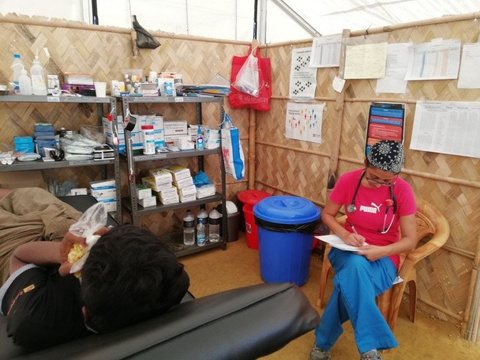
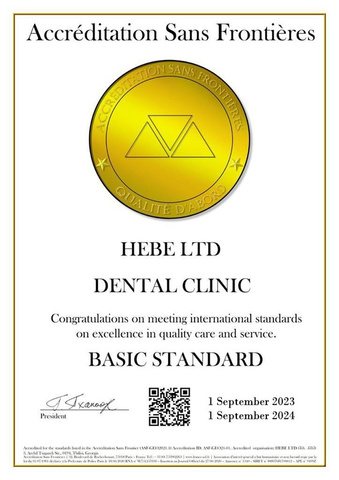
ASF accredits hospitals, ambulatory services, dental services and healthcare facilities in humanitarian settings. See france-asf.fr.
How are patients involved?
Through Patient and Family Councils, launched by PHIG in January 2024, and patient-experience requirements in the standards.
More: Knowledge hub: Healthcare Accreditation, Quality & Patient Safety · Case study 2014–2023